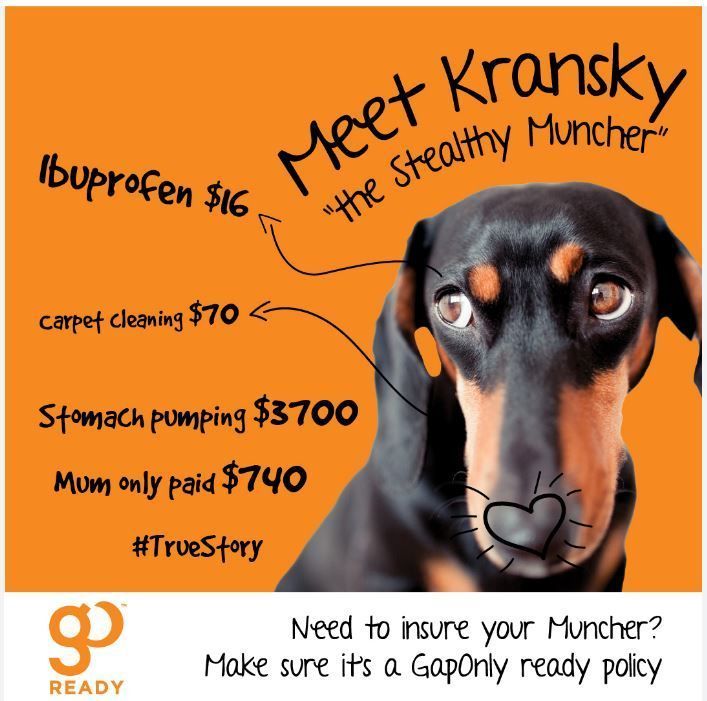
Marlin Coast Veterinary Hospital is now offering GapOnly for insured pets!
Your Pet is Due for a Prescription Check
Leptospirosis Update
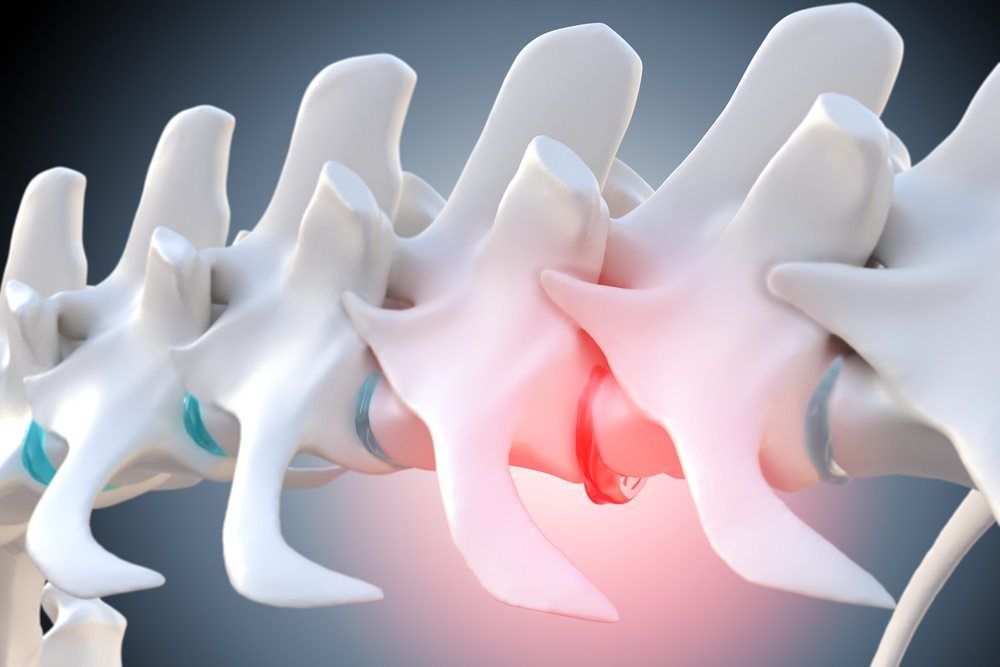
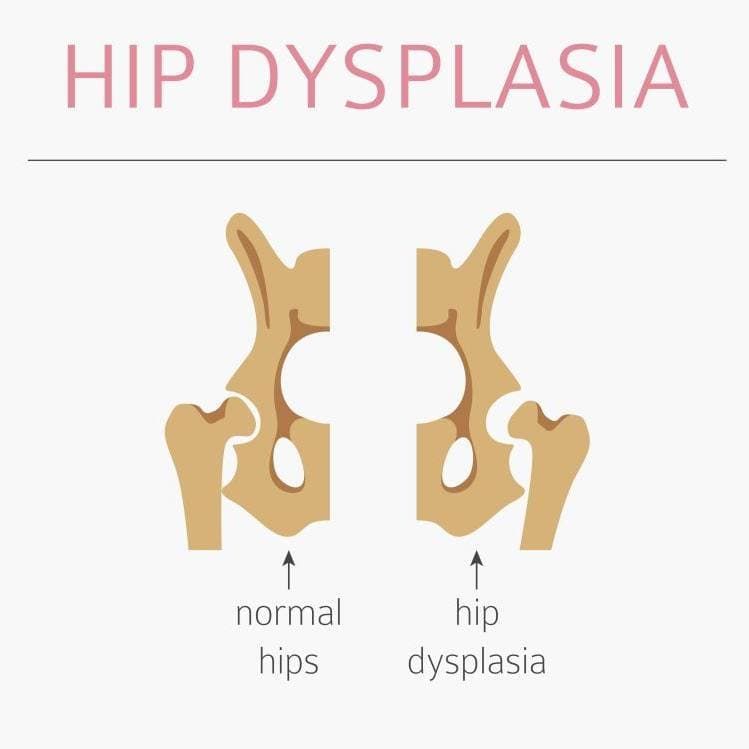
What Is Degenerative Joint Disease? Degenerative joint disease (arthritis) is inflammation of the joints. When arthritis occurs it is a result of the cartilage lining of the joint wearing down, resulting in swelling, inflammation and pain. The lining can wear down because of disease, poor structure or development, confirmation or excessive weight gain. What are the symptoms of arthritis pain? Trouble walking or running Moving slower than normal Difficulty going up or down stairs or for cats unwillingness to jump Reluctance to play or exercise Repeatedly licking joints Quietness or grumpiness Many of us believe our pets can understand us but unfortunately, we can’t ask them how they are feeling. It is up to us to spot these type of changes which can sometimes be subtle. What do I do next? If you recognise one or more of these symptoms or behaviours, take an online assessment (https://www.zoetispets.com/au-en/dog/arthritis/) and bring your pet into our clinic for a full clinical assessment and assistance with a management plan.If your dog has already been diagnosed with arthritis then it’s a good idea to continue with regular monitoring their treatment. Pain management is advancing all the time, get in touch with us to find out our latest recommendations on the best course of action available.
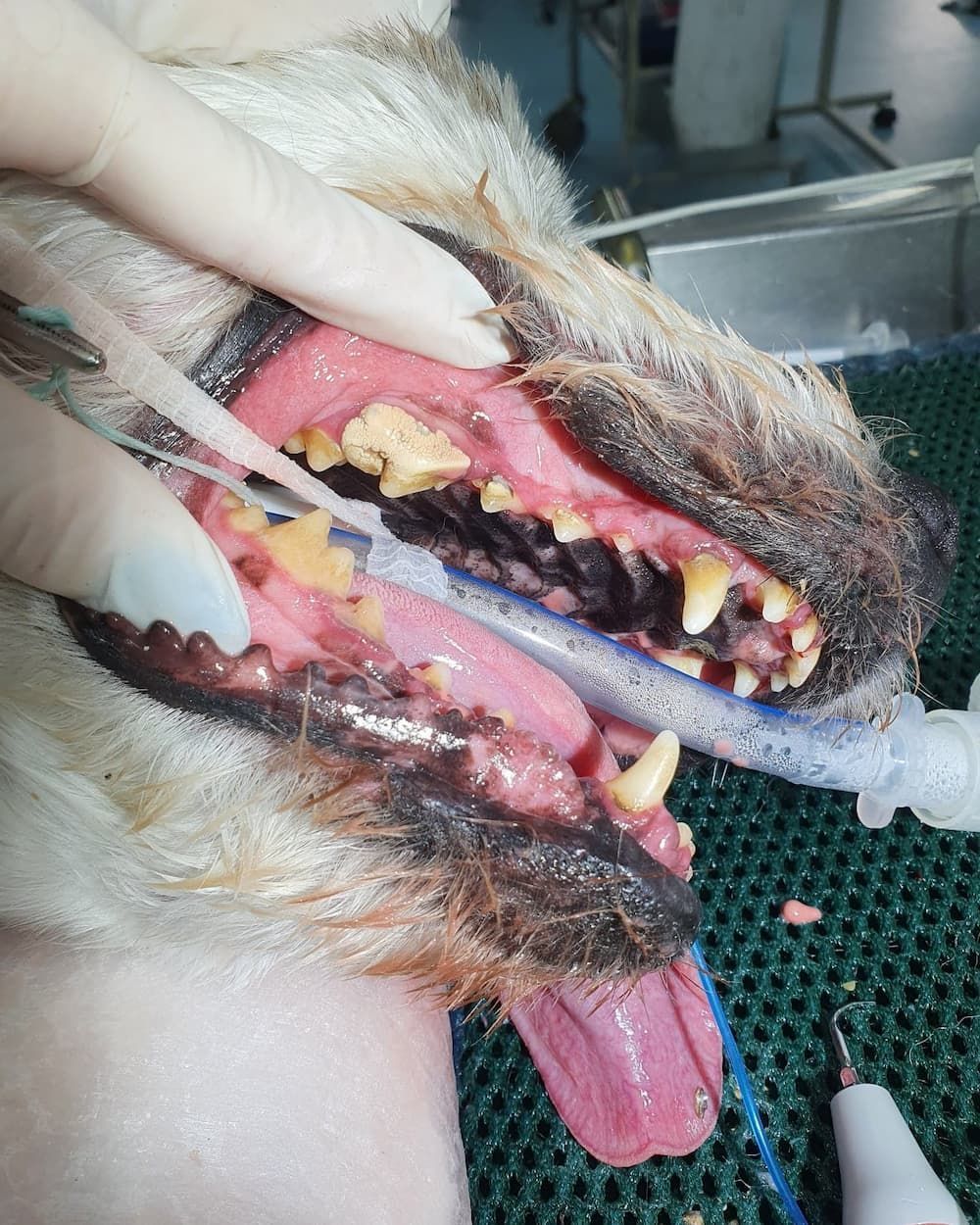
𝐵𝐸𝐹𝒪𝑅𝐸 𝒜𝒩𝒟 𝒜𝐹𝒯𝐸𝑅 Scamp has beautiful pearly whites again! Have you looked at your dogs teeth lately? Periodontal disease is one of the most common diseases seen in adult dogs and cats. Taking care of your dogs teeth can add 2- 4 years to their life. 𝗪𝗵𝗮𝘁 𝗶𝘀 𝗣𝗲𝗿𝗶𝗼𝗱𝗼𝗻𝘁𝗮𝗹 𝗗𝗶𝘀𝗲𝗮𝘀𝗲? When bacteria and food particles collect along the gum line of your pooch's mouth and are not brushed away during a regular tooth brushing, they can develop into plaque and harden into calculus we know as tartar (As seen in the picture below). This causes irritation and inflammation of the gum line and surrounding areas (the condition is also referred to as gingivitis). This represents the first stages of gum disease. Diet and poor nutrition can factor into whether your dog will develop periodontal disease, as do environmental contributors such as grooming habits, dirty toys, the alignment of teeth (pups with crowded teeth are more susceptible to gum disease), and oral hygiene. Fortunately, we pet parents can prevent our fur babies from getting periodontal disease, and the condition can be treated and reversed - if detected early. When it comes to your dog’s oral health, don’t neglect it or procrastinate. Similar to us, they require regular dental appointments to keep up with oral hygiene and identify any trouble spots. Your pup should go to the vet’s at least once each year to have their oral health evaluated. Happy smiling Scamp!
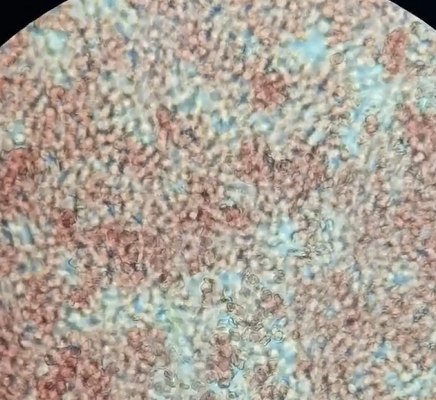
H͎E͎A͎R͎T͎W͎O͎R͎M͎
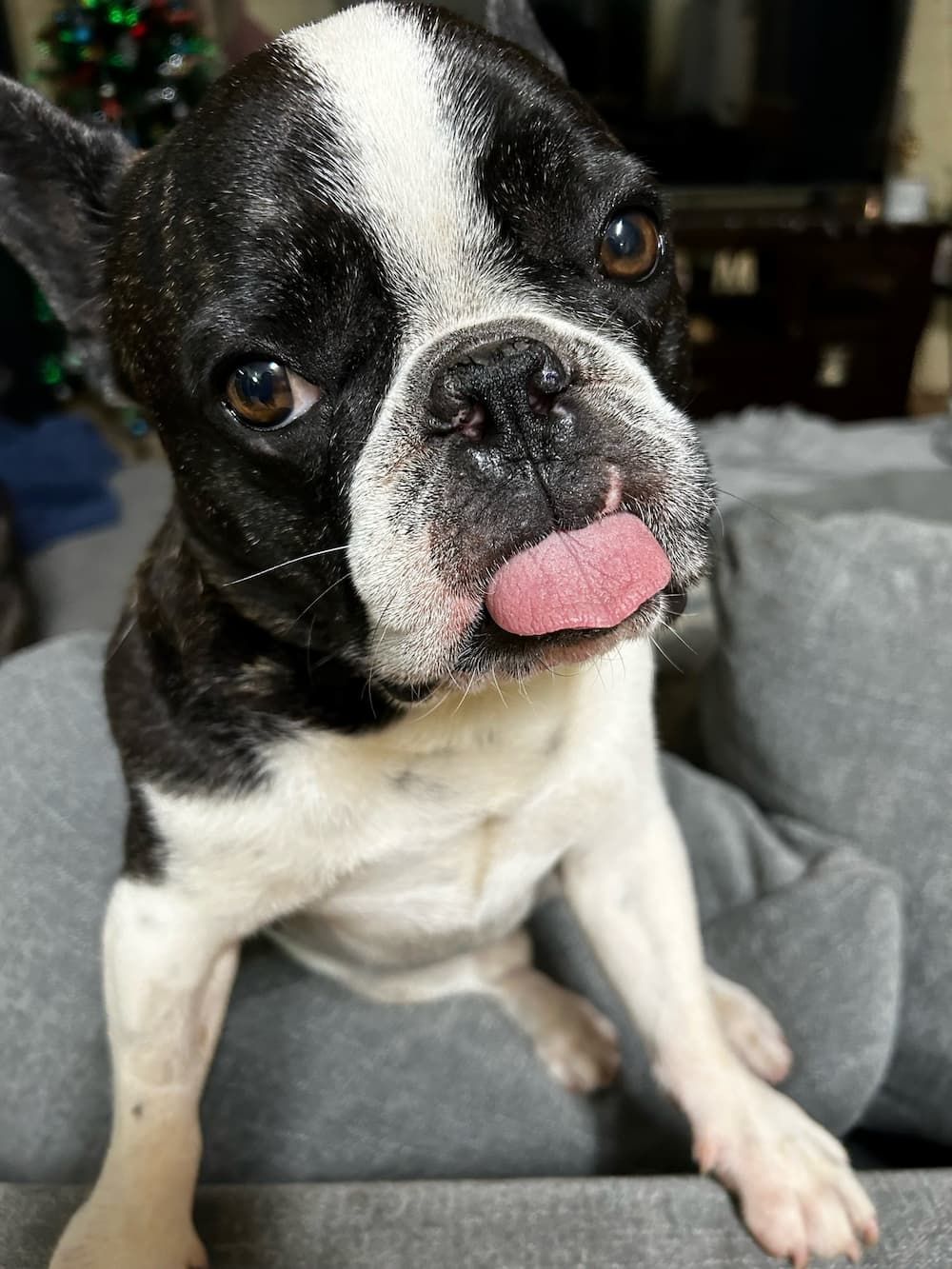
Milton our BOAS hero If you own a “squishy face” dog like a pug, bulldog or frenchie, then you are likely familiar with the term Brachycephalic Obstructive Airway Syndrome (BOAS) which is caused by their skull structure (short nose). BOAS is a lifelong disorder and can progressively worsen over time affecting the dogs ability to exercise, play, sleep, breathe and engage in normal activities comfortably. Brachycephalic Obstructive Airway Syndrome (BOAS) refers to a group of upper airway abnormalities that include: Stenotic nares - Narrow or small nostrils, that restrict airflow. Elongated soft palate - The soft roof of the mouth is too long and thick. This leads to partial obstruction of the windpipe. Everted laryngeal saccules - Small pouches that are sucked into the airways, causing partial obstruction of airflow. Enlarged tonsils Recently 2 year old French Bulldog Milton visited from Weipa for assessment and surgery for his BOAS. You can see in the picture Milton's enlarged and inflamed tonsils. During BOAS surgery we also assess for hypoplastic trachea, hemivertebrae and screw tails, commonly found conditions in French Bulldogs. If you have questions about BOAS surgery book a consult with Marlin Coast Vet Hospital.
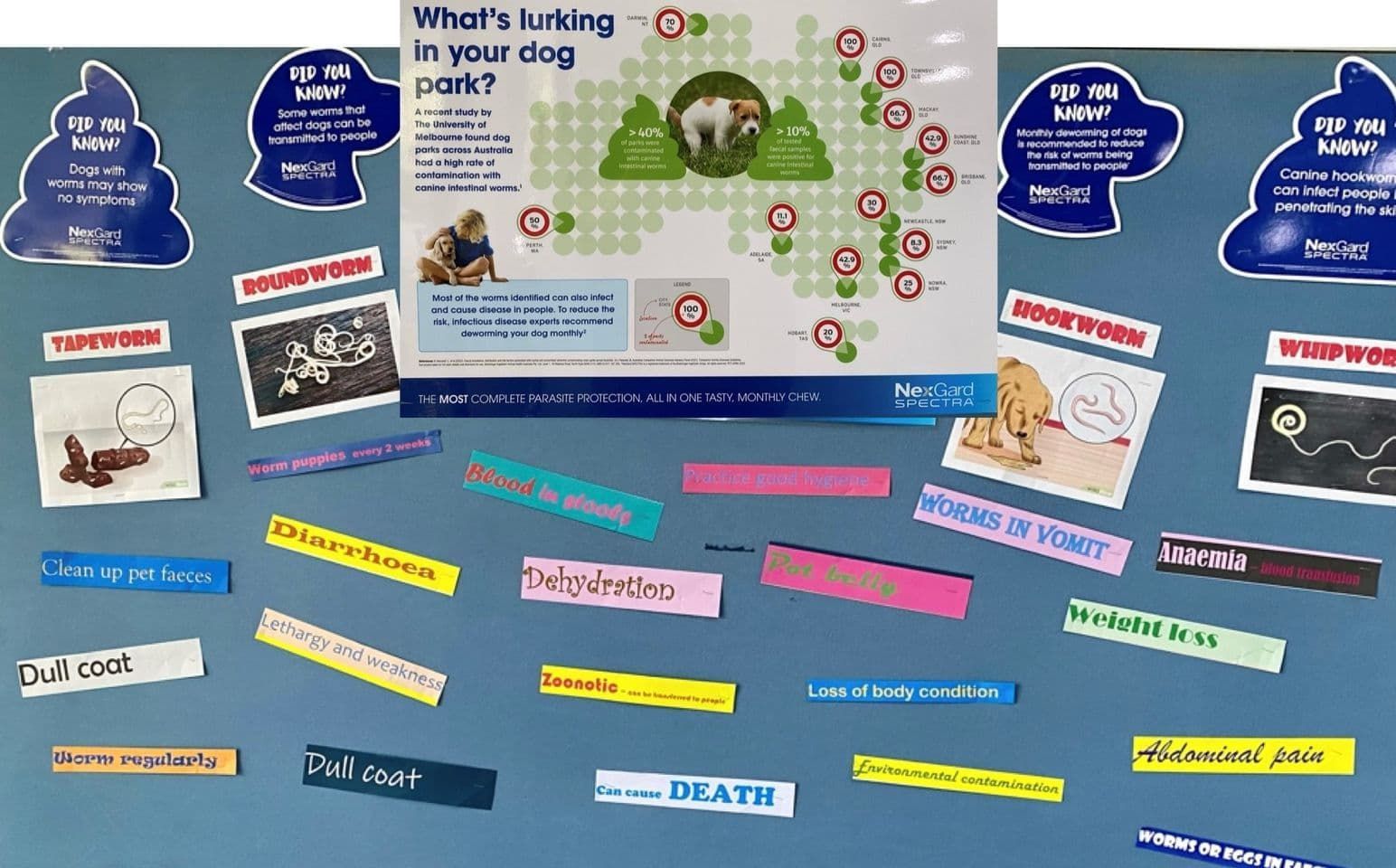
Worming is one of the first health care issues pet owners need to address as pups and kittens are the most susceptible. As their name suggests, intestinal worms are parasites that live inside your pet’s intestines. These worms range in size from small to surprisingly large (up to 18cm in length). Regardless of their size however, they all have negative, and potentially deadly effects. Common intestinal worms in Australian pets are: Roundworm Tapeworm Whipworm Hookworm If your pet has a large number of worms it may find it difficult to maintain body condition and it can lose weight. In some cases it can cause vomiting, diarrhoea and even anaemia (a low red blood cell level). Occasionally, heavy intestinal worm burdens can cause death.It is important to maintain a routine worming treatment for your pets, to reduce the incidence of infection and to reduce environmental contamination. There are many worming treatments available for the various worm infections that occur in our pets. These are available as tablets, spot-ons, or pastes. Re-infection is a common problem, particularly in pets that are in contact with a heavily contaminated environment. Another very important reason to worm your pets is to protect your family; as children in particular can become infected with certain dog and cat worms. https://www.marlincoastvet.com.au/intestinal-worms.aspx
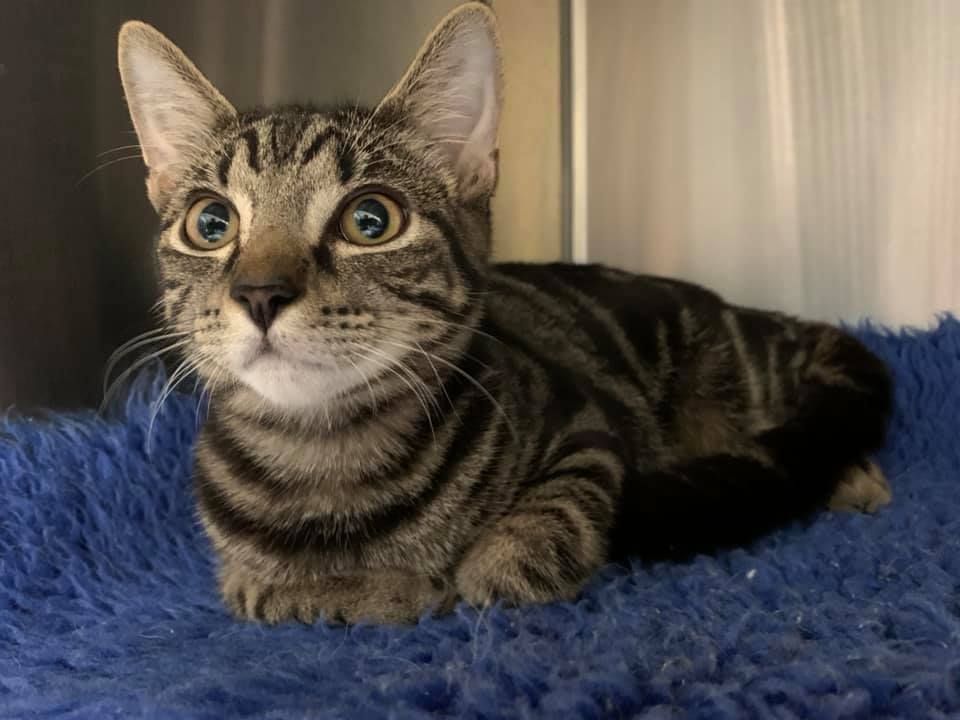
Feline Enteritis (also known as Feline Panleukopenia)
Canine Parvovirus